

Educational Toys
Imagine a world where playtime isn’t just fun—it’s a gateway to learning and growth. 🧠✨ For toddlers, every moment is an opportunity to explore, discover, and develop crucial skills. But how can parents ensure their little ones are getting the most out of their playtime?
Enter educational toys for toddlers. These aren’t just ordinary playthings; they’re powerful tools designed to stimulate young minds and foster early development. From colorful building blocks to interactive puzzles, these toys offer a world of possibilities. But with so many options available, how do you choose the right ones for your child?
In this guide, we’ll explore the fascinating world of educational toys for toddlers. We’ll dive into the different types available, uncover their benefits for your child’s growth, and provide tips on selecting age-appropriate toys. Plus, we’ll show you how to seamlessly incorporate these learning tools into your daily routines and introduce you to some top brands in the market, including the innovative Little’s Junior Ring Educational Blocks. Let’s embark on this exciting journey to unlock your toddler’s potential through play!
Types of educational toys for toddlers
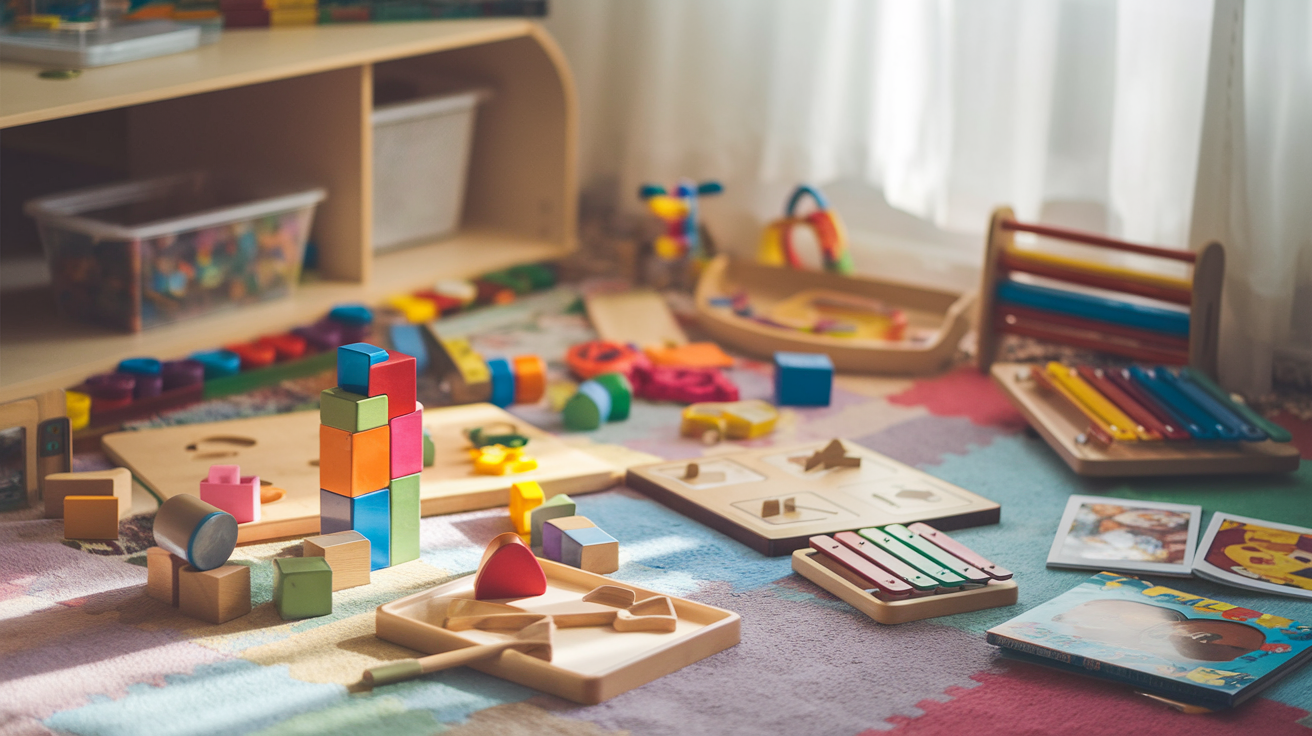
Building blocks and construction sets
Building blocks and construction sets are essential educational toys for toddlers, promoting various developmental skills. These versatile toys encourage:
- Fine motor skills
- Spatial awareness
- Problem-solving abilities
- Creativity and imagination
Popular types of building blocks include:
| Type | Material | Benefits |
|---|---|---|
| Wooden blocks | Natural wood | Durable, eco-friendly |
| LEGO DUPLO | Plastic | Colorful, interlocking |
| Foam blocks | Soft foam | Safe, lightweight |
| Magnetic tiles | Plastic with magnets | Easy to connect, 3D structures |
Puzzles and problem-solving games
Puzzles and problem-solving games are excellent for cognitive development in toddlers. They help improve:
- Logical thinking
- Hand-eye coordination
- Pattern recognition
- Patience and persistence
Some engaging puzzle types for toddlers include:
- Wooden peg puzzles
- Jigsaw puzzles with large pieces
- Shape-sorting puzzles
- Matching games
Shape sorters and matching toys
Shape sorters and matching toys are crucial for developing:
- Shape recognition
- Color identification
- Fine motor skills
- Cognitive abilities
Popular shape sorters and matching toys include:
- Classic shape sorter cubes
- Nesting cups
- Color matching boards
- Texture matching games
Musical instruments and sound-making toys
Musical instruments and sound-making toys stimulate auditory senses and promote:
- Rhythm and timing
- Sensory exploration
- Language development
- Emotional expression
Toddler-friendly musical toys include:
- Xylophones and glockenspiels
- Drums and tambourines
- Shakers and maracas
- Electronic keyboards with animal sounds
These educational toys provide a foundation for learning through play, setting the stage for future academic success. Now that we’ve explored the types of educational toys, let’s delve into their specific benefits for toddler development.
Benefits of educational toys for toddler development
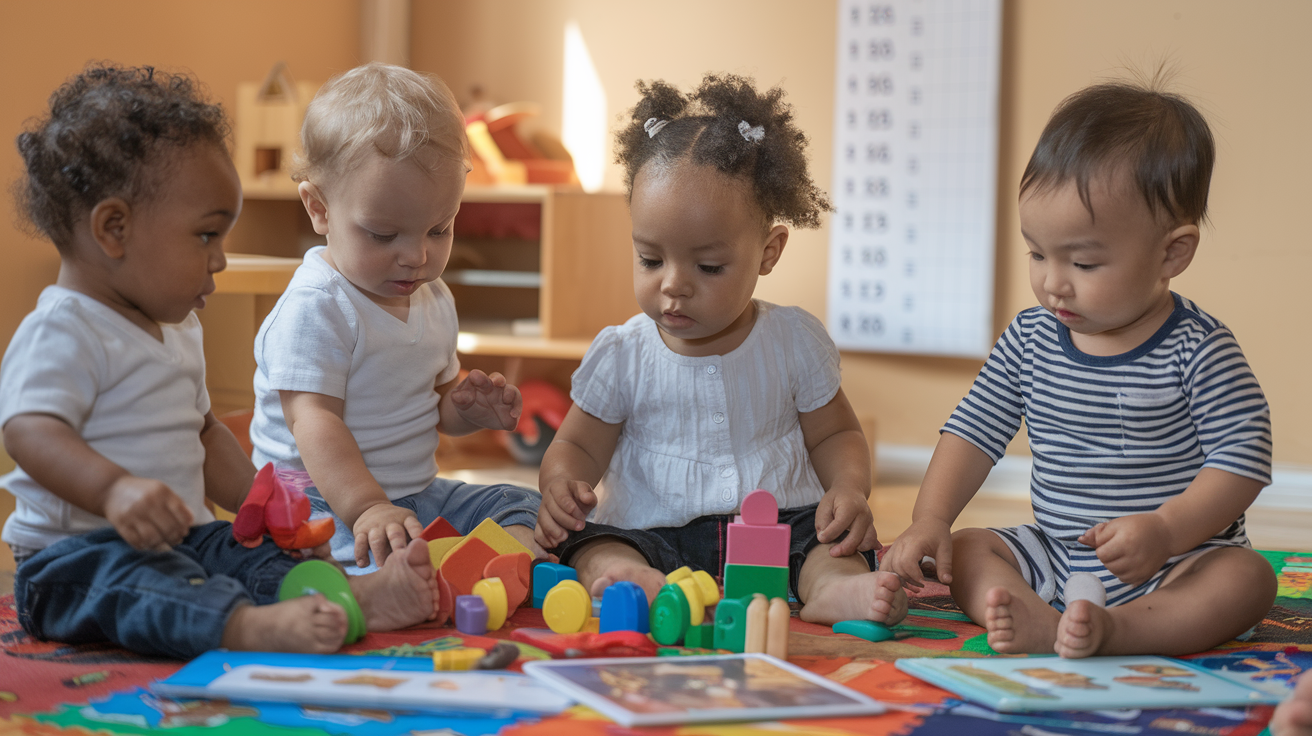
Enhancing cognitive skills
Educational toys play a crucial role in developing a toddler’s cognitive abilities. These toys stimulate problem-solving skills, memory, and logical thinking. For example, puzzles and shape sorters challenge toddlers to match shapes and colors, enhancing their spatial awareness and analytical skills.
| Cognitive Skill | Educational Toy Example |
|---|---|
| Problem-solving | Puzzles, building blocks |
| Memory | Memory matching games |
| Logical thinking | Sorting toys, patterns |
Improving fine motor skills
Fine motor skills are essential for a toddler’s physical development. Educational toys that require manipulation of small objects help refine these skills:
- Stacking blocks
- Lacing beads
- Play dough activities
- Pegboard games
These activities strengthen hand-eye coordination and improve dexterity, preparing toddlers for future tasks like writing and using utensils.
Boosting language and communication
Many educational toys are designed to enhance a toddler’s language skills. Interactive toys that produce sounds, words, or music encourage vocalization and expand vocabulary. Picture books and storytelling toys introduce new concepts and promote language comprehension.
Encouraging creativity and imagination
Open-ended toys like building blocks, art supplies, and dress-up costumes foster creativity and imaginative play. These toys allow toddlers to express themselves freely, developing their creative thinking and problem-solving abilities.
Promoting social and emotional growth
Educational toys can also support a toddler’s social and emotional development. Toys that encourage role-playing, sharing, and turn-taking help toddlers understand social interactions and develop empathy. Cooperative play with siblings or peers using educational toys builds important social skills and emotional intelligence.
Choosing age-appropriate educational toys
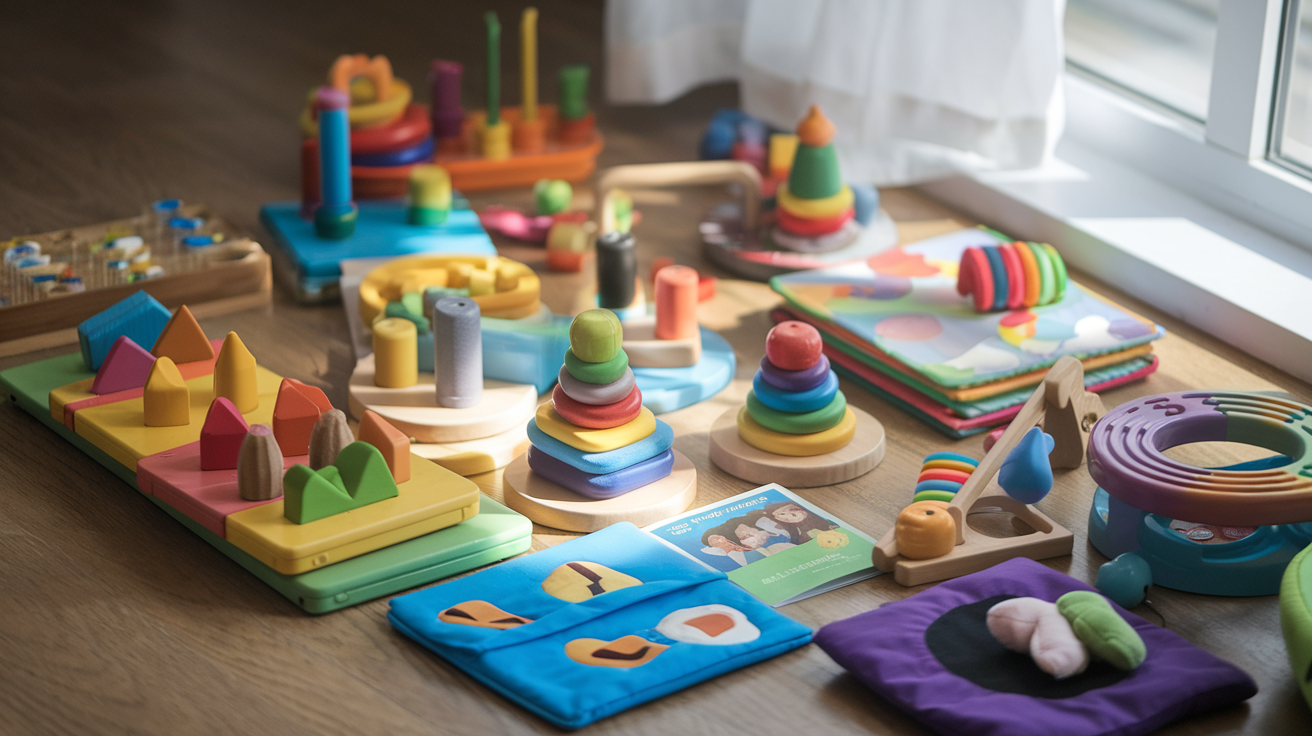
A. 12-18 months
During this crucial developmental stage, toddlers are exploring their environment and developing fine motor skills. Ideal educational toys for this age group include:
- Stacking rings
- Simple shape sorters
- Soft blocks with textures
- Board books with large, colorful pictures
These toys help improve hand-eye coordination and introduce basic concepts like colors and shapes.
B. 18-24 months
As toddlers grow, their cognitive abilities expand. Suitable educational toys for this age range are:
- Simple puzzles (3-5 pieces)
- Nesting cups or boxes
- Play dough or modeling clay
- Musical instruments (e.g., toy xylophone)
These toys encourage problem-solving skills and creativity while enhancing sensory development.
C. 24-36 months
At this stage, toddlers are developing language skills and imagination. Appropriate educational toys include:
- Building blocks (larger sizes)
- Dress-up clothes and props
- Simple matching games
- Art supplies (chunky crayons, finger paints)
These toys promote imaginative play, social skills, and early math concepts.
| Age Range | Key Skills | Recommended Toys |
|---|---|---|
| 12-18 months | Fine motor skills, sensory exploration | Stacking rings, soft blocks |
| 18-24 months | Problem-solving, creativity | Simple puzzles, play dough |
| 24-36 months | Language, imagination | Building blocks, dress-up clothes |
D. Safety considerations for toddler toys
When selecting educational toys for toddlers, safety should be a top priority. Consider the following:
- Choose toys with rounded edges and no small parts that could be choking hazards
- Ensure toys are made from non-toxic materials
- Check for sturdy construction that can withstand rough play
- Avoid toys with strings or cords longer than 12 inches
Always supervise playtime and regularly inspect toys for wear and tear. With these safety measures in mind, you can confidently select age-appropriate educational toys that will engage and stimulate your toddler’s development.
Incorporating educational toys into daily routines
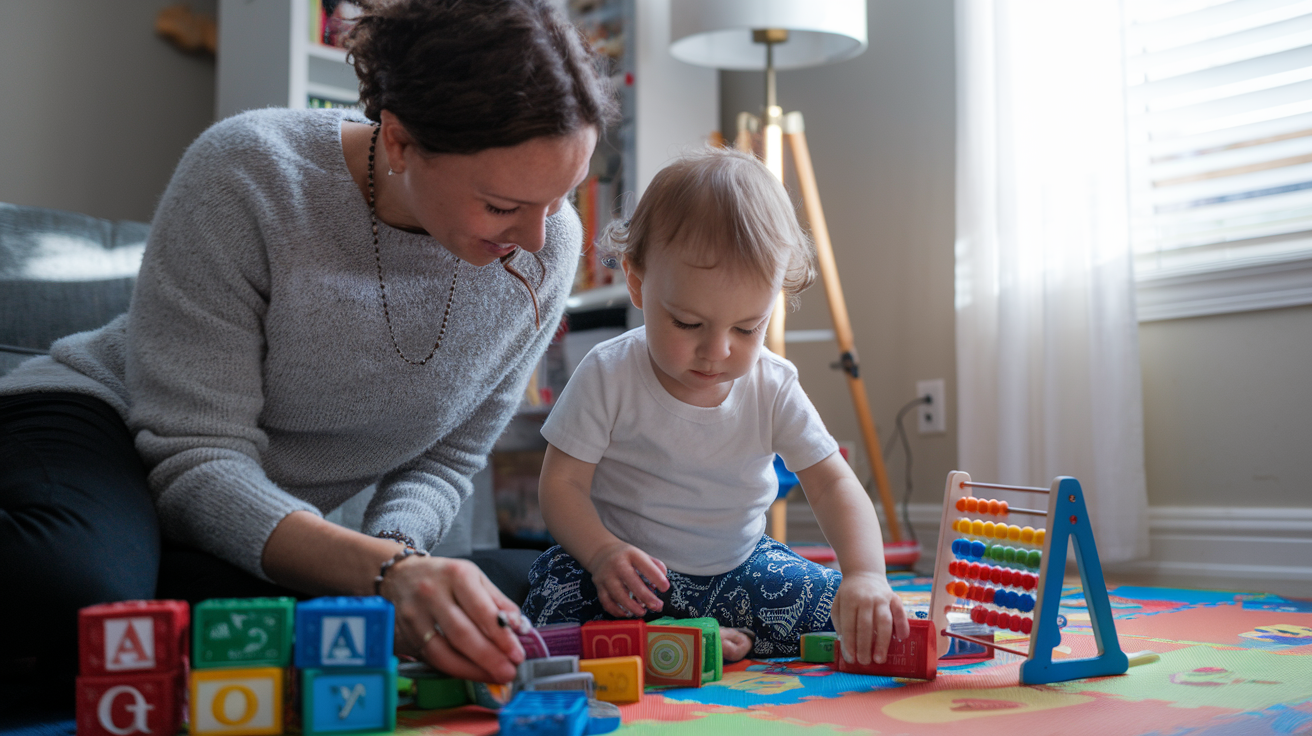
Structured playtime activities
Integrating educational toys into structured playtime can significantly enhance a toddler’s learning experience. Here are some effective ways to incorporate these toys:
- Shape sorting: Use shape sorters to teach colors, shapes, and problem-solving
- Building blocks: Encourage stacking and construction to develop fine motor skills
- Puzzle time: Introduce simple puzzles to improve cognitive abilities and patience
- Story time with interactive books: Engage toddlers with touch-and-feel or lift-the-flap books
| Activity | Skills Developed | Recommended Duration |
|---|---|---|
| Shape sorting | Color recognition, problem-solving | 10-15 minutes |
| Building blocks | Fine motor skills, creativity | 15-20 minutes |
| Puzzle time | Cognitive abilities, patience | 10-15 minutes |
| Interactive books | Language skills, curiosity | 15-20 minutes |
Free play and exploration
While structured activities are important, allowing toddlers time for free play with educational toys is equally crucial. This unstructured time promotes:
- Creativity and imagination
- Independent problem-solving
- Self-directed learning
- Emotional expression
Provide a safe, toy-rich environment where toddlers can freely explore and interact with various educational toys.
Learning through everyday tasks
Incorporate educational toys into daily routines to make learning a natural part of a toddler’s day:
- Mealtime: Use shape sorters to organize utensils
- Bath time: Introduce water toys for sensory play
- Bedtime: Read interactive books as part of the nightly routine
- Cleanup time: Sort toys by color or shape while tidying up
Rotating toys to maintain interest
To keep toddlers engaged and prevent boredom, implement a toy rotation system:
- Divide toys into 3-4 groups
- Keep one group accessible for 1-2 weeks
- Store other groups out of sight
- Rotate groups regularly
This method ensures toys remain novel and exciting, encouraging continued exploration and learning. Now that we’ve covered how to incorporate educational toys into daily routines, let’s explore some top educational toy brands for toddlers.
Top educational toy brands for toddlers
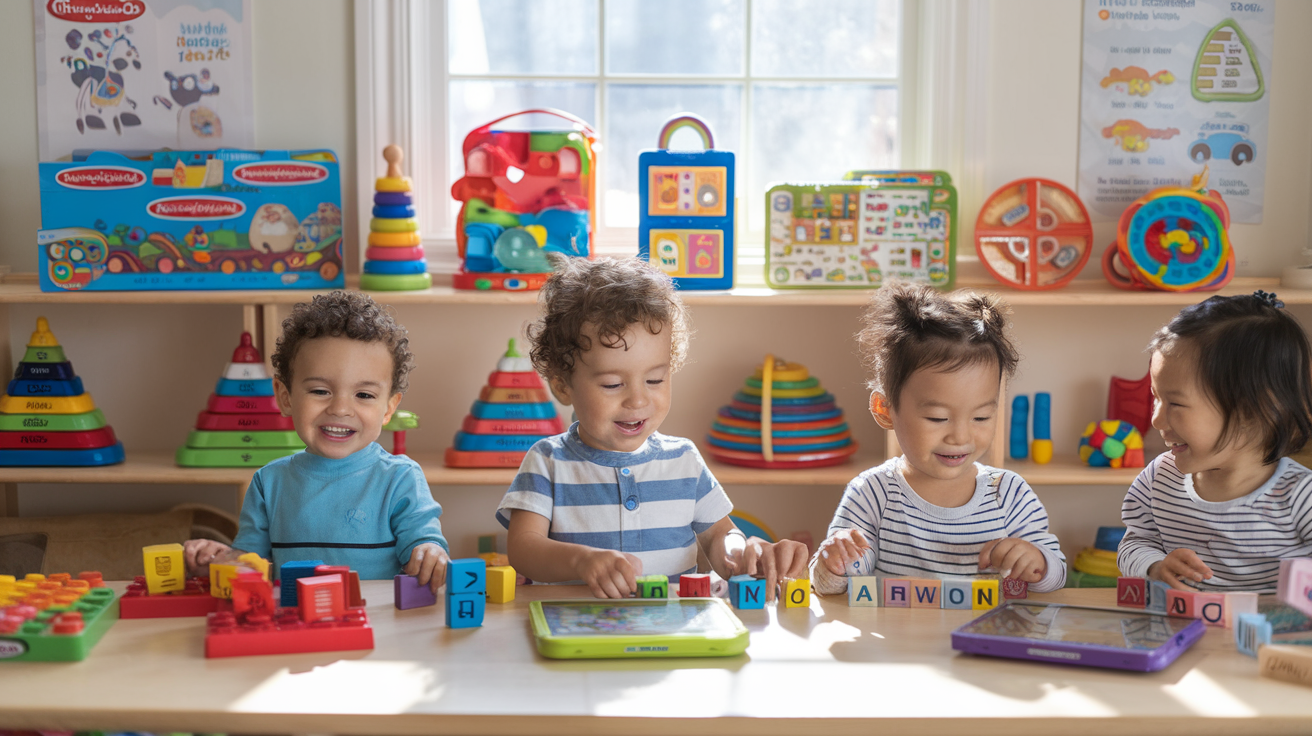
A. Melissa & Doug
Melissa & Doug is renowned for its high-quality, imaginative toys that encourage open-ended play. Their educational toys for toddlers focus on developing fine motor skills, problem-solving abilities, and creativity.
Popular Melissa & Doug toys for toddlers include:
- Wooden puzzles
- Shape sorters
- Pretend play sets
- Art supplies
B. LeapFrog
LeapFrog specializes in interactive, technology-based learning toys that make education fun for toddlers. Their products often incorporate music, lights, and touch-sensitive features to engage young minds.
Key LeapFrog offerings:
- Interactive learning tablets
- Educational gaming systems
- Electronic books
- Musical toys
C. Fisher-Price
Fisher-Price has been a trusted name in toddler toys for decades. They offer a wide range of educational toys that focus on various developmental areas.
| Developmental Area | Fisher-Price Toy Examples |
|---|---|
| Motor Skills | Rock-a-Stack, Shape Sorter |
| Language | Laugh & Learn Smart Stages toys |
| Imagination | Little People playsets |
| Problem-Solving | Think & Learn Code-a-pillar |
D. Hape
Hape is known for its eco-friendly, wooden toys that promote learning through play. Their toys are designed to stimulate multiple senses and encourage exploration.
Hape’s popular toddler toys include:
- Wooden block sets
- Musical instruments
- Pull-along toys
- Sensory balls
E. VTech
VTech specializes in electronic learning toys that combine education with entertainment. Their products often feature interactive screens, buttons, and voice prompts to engage toddlers.
VTech’s educational toy range includes:
- Learning laptops
- Interactive smartwatches
- Educational tablets
- Musical toys with learning components
Now that we’ve explored some of the top educational toy brands for toddlers, let’s take a closer look at a specific brand that’s making waves in the educational toy market.
Little’s Junior Ring Educational Blocks
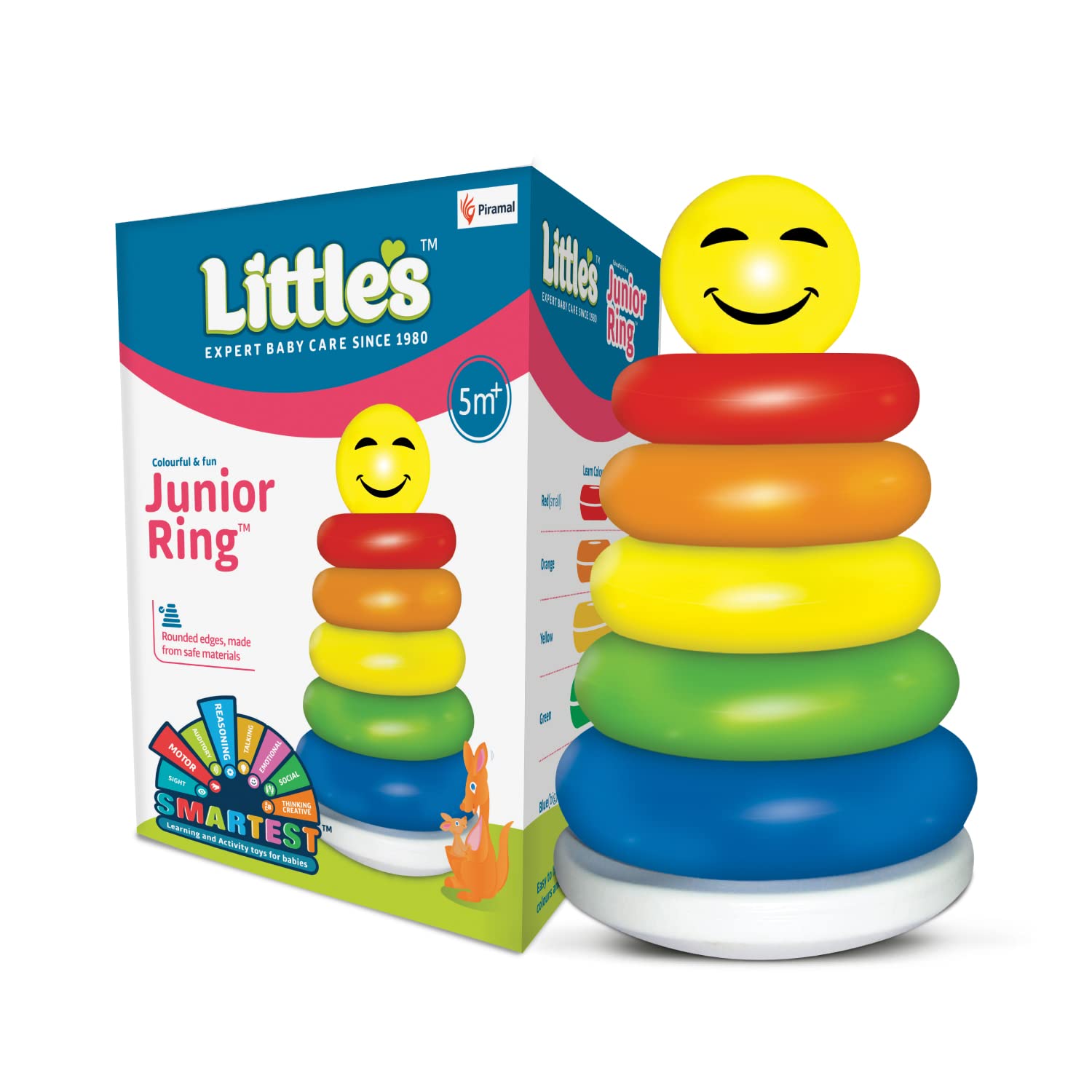
Features of Little’s Junior Ring Educational Blocks
Little’s Junior Ring Educational Blocks are a versatile and engaging toy designed for toddlers aged 6 months to 3 years. These blocks offer a range of benefits that contribute to a child’s early development:
- Color Recognition: The set includes 6 multi-colored rings, helping toddlers learn and identify different colors.
- Fine Motor Skills: Stacking and sorting the rings enhances hand-eye coordination and dexterity.
- Problem-Solving: Figuring out how to stack the rings in the correct order promotes cognitive development.
- Safe Materials: Made from durable plastic, these blocks are safe for young children to handle and explore.
Age-Appropriate Design
The Junior Ring Educational Blocks are specifically tailored for toddlers:
- Recommended Age: 6 months – 3 years
- No Assembly Required: Ready to use straight out of the box
- No Batteries Needed: Encourages active, hands-on play without electronic distractions
Product Specifications
| Specification | Details |
|---|---|
| Dimensions | 13.5 x 6.3 x 19.5 cm |
| Weight | 250 g |
| Material | Plastic |
| Number of Pieces | 6 rings |
| Country of Origin | India |
Educational Value
These blocks offer multiple learning opportunities:
- Color recognition
- Size differentiation
- Spatial awareness
- Counting skills
- Problem-solving abilities
Now that we’ve explored the features and benefits of Little’s Junior Ring Educational Blocks, let’s look at how parents can incorporate these toys into their toddler’s daily routines to maximize learning potential.

Educational toys play a crucial role in shaping a toddler’s early learning experiences. From building blocks to interactive puzzles, these toys offer a wide range of benefits for cognitive, motor, and social development. By carefully selecting age-appropriate toys and incorporating them into daily routines, parents can create engaging learning opportunities for their little ones.
As you embark on your journey to find the perfect educational toys for your toddler, remember that quality and safety should always be top priorities. Explore reputable brands and consider versatile options like Little’s Junior Ring Educational Blocks, which can grow with your child’s abilities. By investing in the right educational toys, you’re not just providing entertainment but also laying the foundation for a lifetime of learning and curiosity.
[…] let’s explore why dermatologist-developed products like CeraVe are particularly beneficial for skincare […]
[…] spend less time doing laundry and more time enjoying precious moments with your bundle of joy. 💖 With its cutting-edge anti-piling technology, superior absorbency, and lightning-fast drying […]