
Ever stood in the toy aisle, staring at those colorful talking flash cards, wondering if they’re actually worth it? You’re not alone.
As a parent, you’ve probably heard the whispers about these interactive cards being the secret sauce to early reading success. But with so many educational toys claiming to be “essential,” it’s hard to separate the genuinely helpful from the expensively useless.
I’ve gathered real feedback from parents who’ve tried talking flash cards with their little ones. Some swear they’re game-changers; others call them glorified paper with batteries.
The truth about these flashy learning tools might surprise you—especially when we compare them to their humble paper counterparts. What exactly makes some families willing to pay premium prices for cards that talk back?
What Are Talking Flash Cards?
A. Technology behind modern educational tools
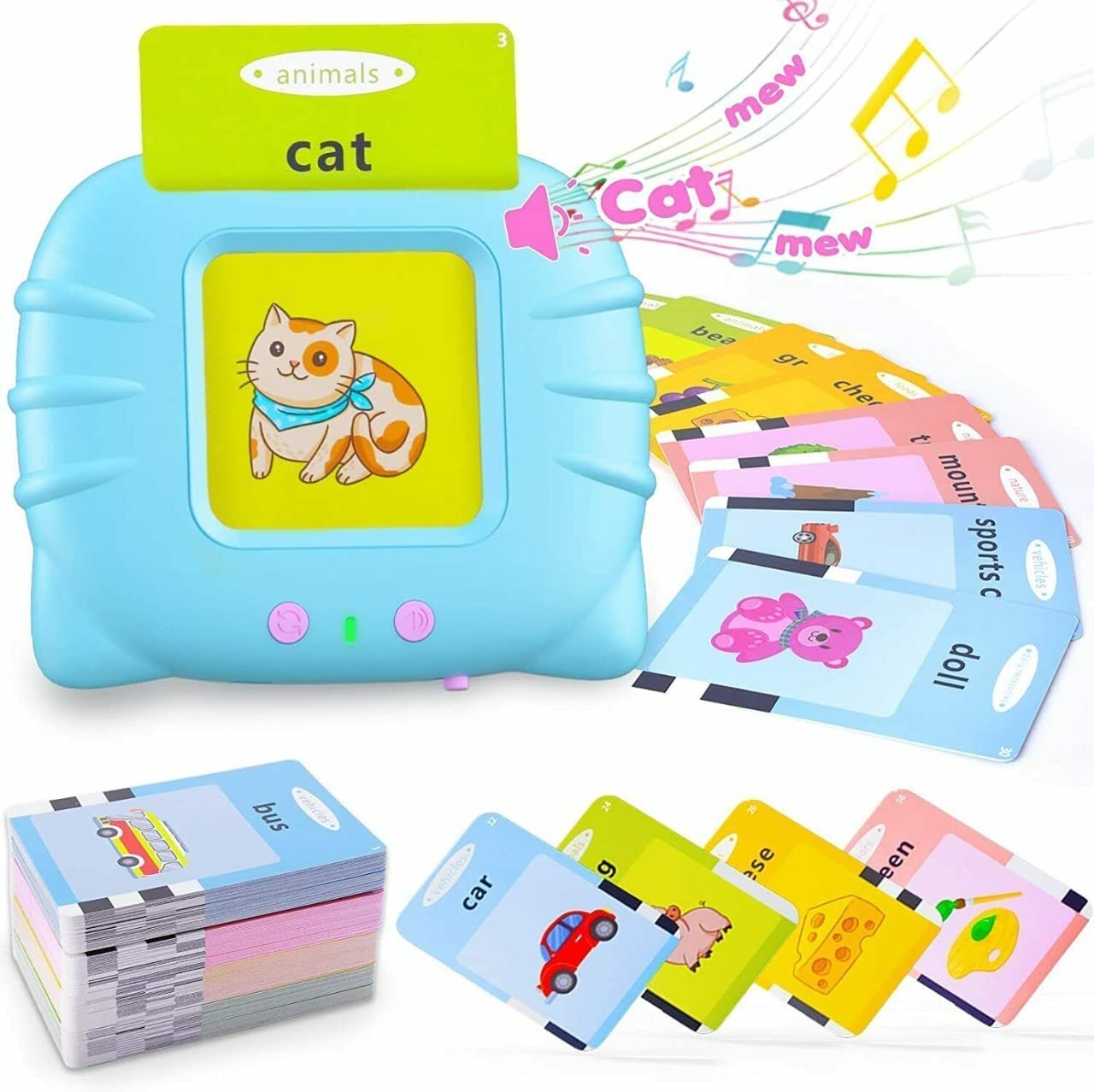
Talking flash cards use embedded sound chips that activate when buttons are pressed. Most models employ optical recognition technology to “read” the cards, providing instant audio feedback for young learners. These smart devices bridge traditional learning with digital engagement through simple, accessible technology.
B. Different types available on the market
Parents can choose between basic audio cards with pre-recorded sounds and advanced interactive models with quiz modes. Some feature rechargeable systems like Storio’s battery-powered options, while others offer connectivity to apps for expanded learning. Animal-themed sets are particularly popular for babies developing early recognition skills.
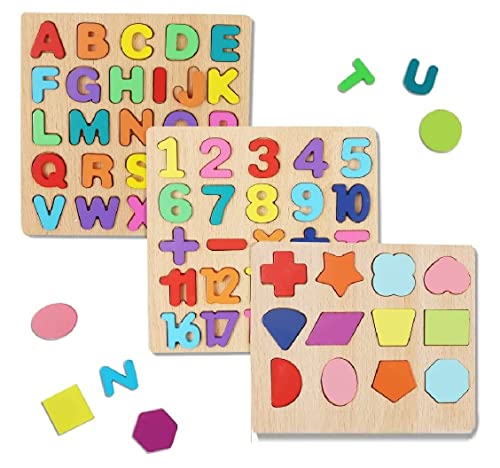
- It helps with cerebral development and promotes hand-eye coordination, fine motor skills, and problem-solving skills.
- Material: Wood + non-toxic paint. Safe and no harm to babies.
- A great learning tool for preschoolers. Let your children learn and master life skills in a happy environment and exerci…

The Science of Audio-Visual Learning
How children process multi-sensory information
Kids’ brains are like sponges that soak up information through multiple channels at once. When they see pictures, hear sounds, and touch objects simultaneously, different parts of their brain light up and create stronger connections.
Research on audio learning and retention
Studies show children remember what they hear for longer periods when audio is paired with visual cues. That’s why those talking flash cards stick in their memory – they’re hitting two learning pathways at once, making the information harder to forget.
Real Parent Reviews
Success stories from early adopters
Parents rave about these cards! “My 2-year-old learned 20 new words in just weeks,” shares Maria from Boston. Another mom mentioned her shy preschooler now initiates conversations after using the cards for a month. The interactive voices seem to engage kids who previously showed zero interest in traditional flashcards.
Common criticisms and limitations
Not all experiences are perfect. “The batteries die too quickly,” complained several Amazon reviewers. Others mentioned their children losing interest after the novelty wore off. Some parents with children who have sensory sensitivities reported the voices could be too loud or stimulating, even on lower volume settings.
Indian customer and their view
The Voice of Indian Parents
Indian parents have a unique perspective on talking flash cards. They’re not just looking for educational toys – they’re seeking tools that balance academic preparation with cultural values.
When surveyed about talking flash cards, most Indian parents praised the bilingual options. One mother from Mumbai shared, “My daughter learns English at school, but I wanted her to embrace Hindi too. These talking cards bridge that gap beautifully.”
The price point matters significantly in the Indian market. A father from Delhi noted, “Initially I thought they were expensive compared to regular flash cards, but seeing my son recognize words in both languages made every rupee worth it.”

- bp 1- MULTIFUNCTIONAL EDUCATIONAL TOY: Keep your child engaged and entertained with our Shape Sorter Toy, featuring abac…
- bp 2- MONTESSORI INSPIRED: Promote independent learning and creativity with a Montessori-inspired toy set that encourage…
- bp 3- SAFE AND DURABLE: Made from high-quality, non-toxic materials, our toys are built to last and withstand rough play…
Cultural Relevance Matters
Indian parents consistently highlighted the importance of culturally relevant content. Cards featuring Indian festivals, foods, and traditions were particular favorites.
“My son lights up when he hears cards about Diwali or recognizes traditional Indian instruments,” a parent from Bangalore mentioned. “The cards that include our cultural elements get used the most.”
Some parents expressed concerns about accent and pronunciation in the audio features. Those cards featuring clear, neutral accents received higher ratings than those with heavy regional or Western accents.
For Indian families with relatives abroad, these talking cards serve another purpose – maintaining cultural connections. “My children are growing up in India while their cousins are in America,” explained one mother. “These cards help them share common learning experiences despite the distance.”
Maximizing Educational Value
Effective usage strategies
Want to get the most from talking flash cards? Make them part of daily routines like breakfast or bath time. Kids learn better when lessons feel like play, not work. Try asking follow-up questions about the cards to boost comprehension.
Combining with other learning activities
Pair flash cards with hands-on experiences. If they learn about animals, visit a petting zoo afterward. This connects abstract concepts to real life. Digital cards work beautifully alongside physical books, outdoor exploration, and creative play.
Making The Right Purchase Decision
A. Price ranges and what they mean
Most talking flash cards range from $15 to $40. The cheaper ones usually have basic features and fewer cards, while pricier options include more cards, better audio quality, and interactive games. Remember, expensive doesn’t always mean better for your child’s needs.
B. Must-have features worth paying for
Clear audio and durability should top your list when shopping for talking flash cards. Cards that withstand grabby toddler hands and have volume control are worth a few extra bucks. Skip the fancy lights and sounds if they don’t enhance actual learning.
The journey through the world of talking flash cards reveals that these audio-visual learning tools offer significant educational benefits for children. From enhancing vocabulary and pronunciation to supporting independent learning, these interactive cards combine visual cues with audio feedback to create a multi-sensory learning experience. Parent reviews consistently highlight improved engagement and retention, particularly for auditory learners and children with different learning styles.
When considering talking flash cards for your child, focus on age-appropriate content, durability, and educational alignment with your child’s current learning goals. Whether used as a supplement to traditional learning methods or as an engaging introduction to new concepts, talking flash cards can be a worthwhile investment in your child’s educational journey. The key lies in thoughtful integration into your child’s learning routine, creating a balanced approach that makes education both effective and enjoyable.

- ENGAGING EDUCATIONAL PLAY: Foster creativity and learning through play with Magnetic Sticks Building Blocks. Designed to…
- COLORFUL LEARNING EXPERIENCE: Explore the world of colors as children discover and identify different shades with the vi…
- LIMITLESS CREATIVITY: Encourage imaginative thinking with this magnetic sticks and balls, allowing children to build and…

- bp 1- Toys & Games Stage 1 – learn alphabets: alphabets recognition and pronunciation. Write capital and small letters. …
- bp 2- Stage 2 – words: spelling and pronunciation. Spelling test. Identification of pictures. Find the word
- bp 3- Stage 3 – learning musical notes: play melodies. Play musical notes. Recognize musical notes (visual and verbal)
[…] cut through the noise. By the end of this post, you’ll know exactly how to choose the best liposomal serum for your specific skin type […]