

Ever stood in the soap aisle, staring at dozens of shea butter soaps, wondering which one won’t leave your skin feeling like old newspaper? You’re not alone.
Let’s be real—choosing the right shea butter soap can feel like navigating a minefield, especially when every product claims to be “moisturizing” and “all-natural.”
The right shea butter soap for your skin type can transform your shower routine from just getting clean to actually improving your skin’s health. But here’s what most brands won’t tell you: not all shea butter formulations are created equal.
I’ve tested over 50 different soaps to separate the marketing fluff from what actually works. And what I discovered about how shea butter concentrations affect different skin types might surprise you…
Understanding Shea Butter Soap Benefits
A. Natural moisturizing properties for all skin types
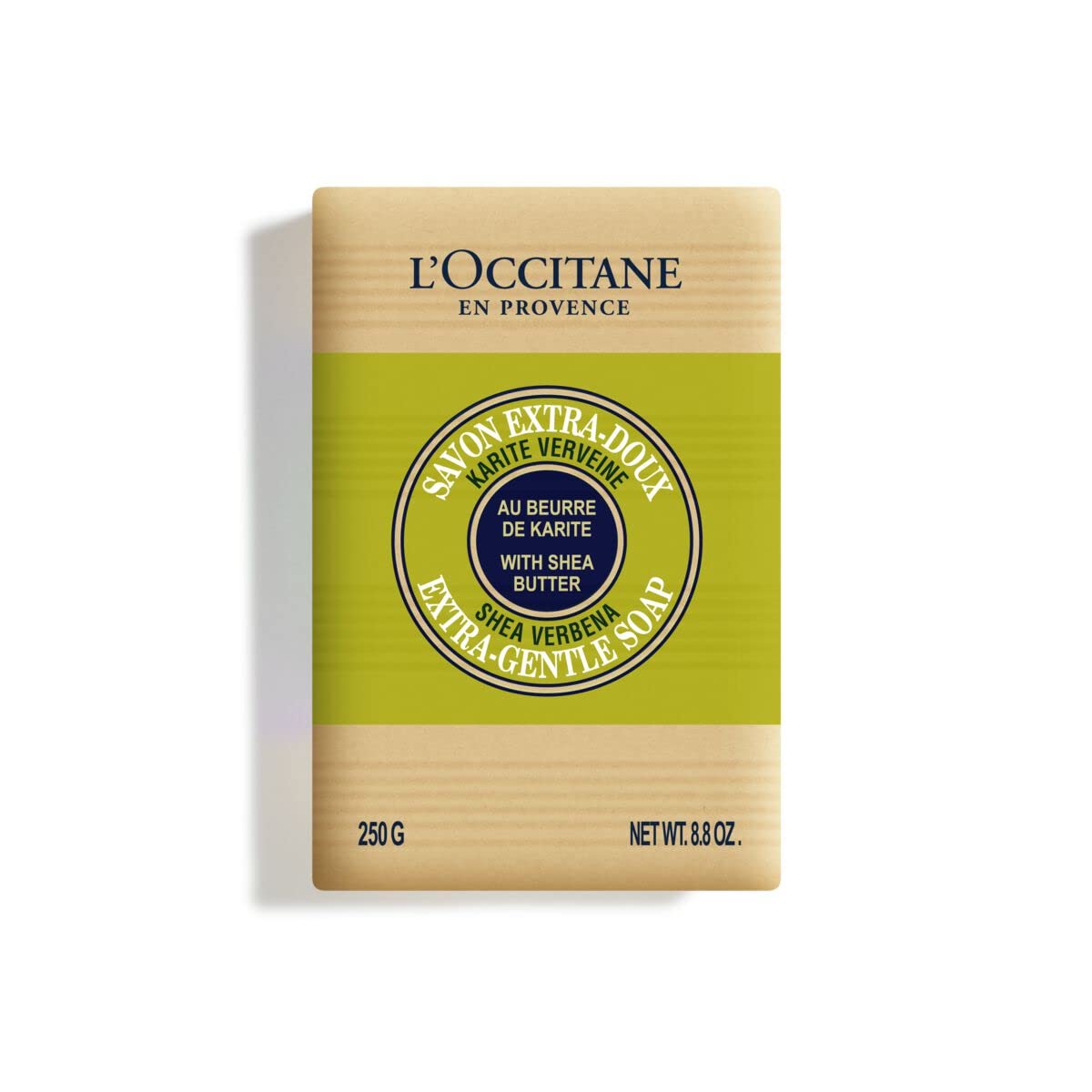
Shea butter soap stands out as a champion moisturizer thanks to its high concentration of vitamins and fatty acids. Products like L’Occitane’s Shea Butter Extra Gentle Soap deliver deep hydration without clogging pores, making them perfect for dry, normal, and even oily skin types.
B. Anti-inflammatory and healing capabilities
The magic of natural shea butter soap comes from its remarkable ability to calm irritated skin. It reduces redness and inflammation while accelerating healing of minor cuts and irritations. This makes shea butter soap an excellent choice for those with eczema, psoriasis, or generally sensitive skin.
Identifying Your Skin Type
Identifying Your Skin Type
A. Characteristics of dry skin and suitable shea butter formulations
Dry skin feels tight, flaky, and can look dull. Sound familiar? Your skin is begging for moisture. Look for shea butter soap with added oils like coconut or jojoba. These natural heavy-hitters lock in hydration without stripping your skin’s natural barriers.
The best shea butter soap for dry skin has minimal fragrance and maximum moisturizing ingredients. Skip the fancy stuff and go for simple, natural shea butter soap that feels creamy and leaves your skin feeling nourished, not squeaky clean.

Key Ingredients to Look For
A. Pure vs. processed shea butter percentages
The higher the percentage of pure shea butter in your soap, the more moisturizing power you’ll get. Look for soaps with at least 25% pure shea butter if you have dry skin. Many commercial “shea butter soaps” contain only 2-5% – barely enough to make any difference!
B. Complementary oils that enhance benefits
Coconut oil pairs beautifully with shea butter, creating a rich lather while sealing in moisture. Argan and jojoba oils boost shea’s effectiveness for sensitive and aging skin types. The right oil combination transforms a good shea butter soap into an exceptional one for your specific skin concerns.
Decoding Product Labels
Understanding shea butter grades and quality indicators
Not all shea butter is created equal. Grade A (raw, unrefined) offers maximum skin benefits, while refined versions lose nutrients during processing. Look for “100% pure,” “unrefined,” or “raw” on labels to ensure you’re getting the good stuff.
Organic and fair-trade certifications
Certifications matter when choosing natural shea butter soap. USDA Organic ensures no harmful chemicals, while Fair Trade guarantees ethical sourcing. These labels aren’t just marketing—they’re promises about product quality and production standards.
Top Shea Butter Soap Formulations
Top Shea Butter Soap Formulations
A. Unscented options for sensitive skin
Finding the right unscented shea butter soap can be a game-changer if your skin throws a fit with fragrances. The best natural shea butter soaps ditch artificial perfumes but keep all the moisturizing goodness intact. Look for products with minimal ingredients – just pure shea butter, glycerin, and maybe some oatmeal to calm irritation.
The trick is spotting truly unscented versus “fragrance-free” options, which might still contain masking scents. Brands like Alaffia and SheaMoisture offer fantastic unscented bars that let shea’s natural properties shine without the irritants. Your sensitive skin will thank you.

- Rejuvenate your skin with the L’Occitane shea butter extra gentle milk soap
- Infused with rich lavender and rosemary extracts and other essential oils, this soap nourishes your skin and restores it…
- Benefits: Restore and repair your skin cells with this LOccitane milk soap, it penetrates deep

How to Use Shea Butter Soap Effectively
A. Proper washing techniques for maximum benefits
Lather that natural shea butter soap between your palms before applying to damp skin. Use gentle circular motions—no need to scrub hard. Rinse thoroughly with lukewarm water (hot water strips away those precious natural oils).
B. Complementary skincare products
Pair your shea butter soap with a lightweight oil-free moisturizer if you have oily skin. For dry skin types, follow up with pure shea butter balm or cream. These combos maximize hydration while ensuring your skin drinks up all those nourishing benefits.
Choosing the right shea butter soap for your unique skin needs doesn’t have to be overwhelming. By understanding the exceptional moisturizing benefits of shea butter, identifying your specific skin type, and learning which ingredients complement your skin concerns, you can make informed decisions. Remember to carefully read product labels, consider specialized formulations for your skin type, and implement proper usage techniques to maximize results.
Your skin deserves thoughtful care, and the perfect shea butter soap can become a cornerstone of your daily routine. Take time to experiment with different options until you find your ideal match. Your journey to healthier, more radiant skin begins with that first intentional choice – make it count by selecting a shea butter soap that truly addresses your unique needs.

[…] soap enthusiasts have been quietly enjoying benefits that go way beyond basic cleanliness. From skin […]