

Remember that light-bulb moment when your toddler first recognized the letter “A”? Wooden alphabet puzzles make those magical learning milestones happen every day in homes across America—and not just with letter recognition.
Ever notice how your little one’s face lights up when they finally fit that tricky puzzle piece into place? That’s their brain forming connections that will serve them for life.
Wooden alphabet puzzles boost early learning skills in ways that digital alternatives simply can’t match. The tactile experience of physically manipulating letters creates neural pathways that strengthen memory, fine motor skills, and spatial awareness simultaneously.
But here’s what most parents miss about these simple wooden toys that could actually be giving your child an advantage before they even start kindergarten…
The Developmental Benefits of Wooden Alphabet Puzzles
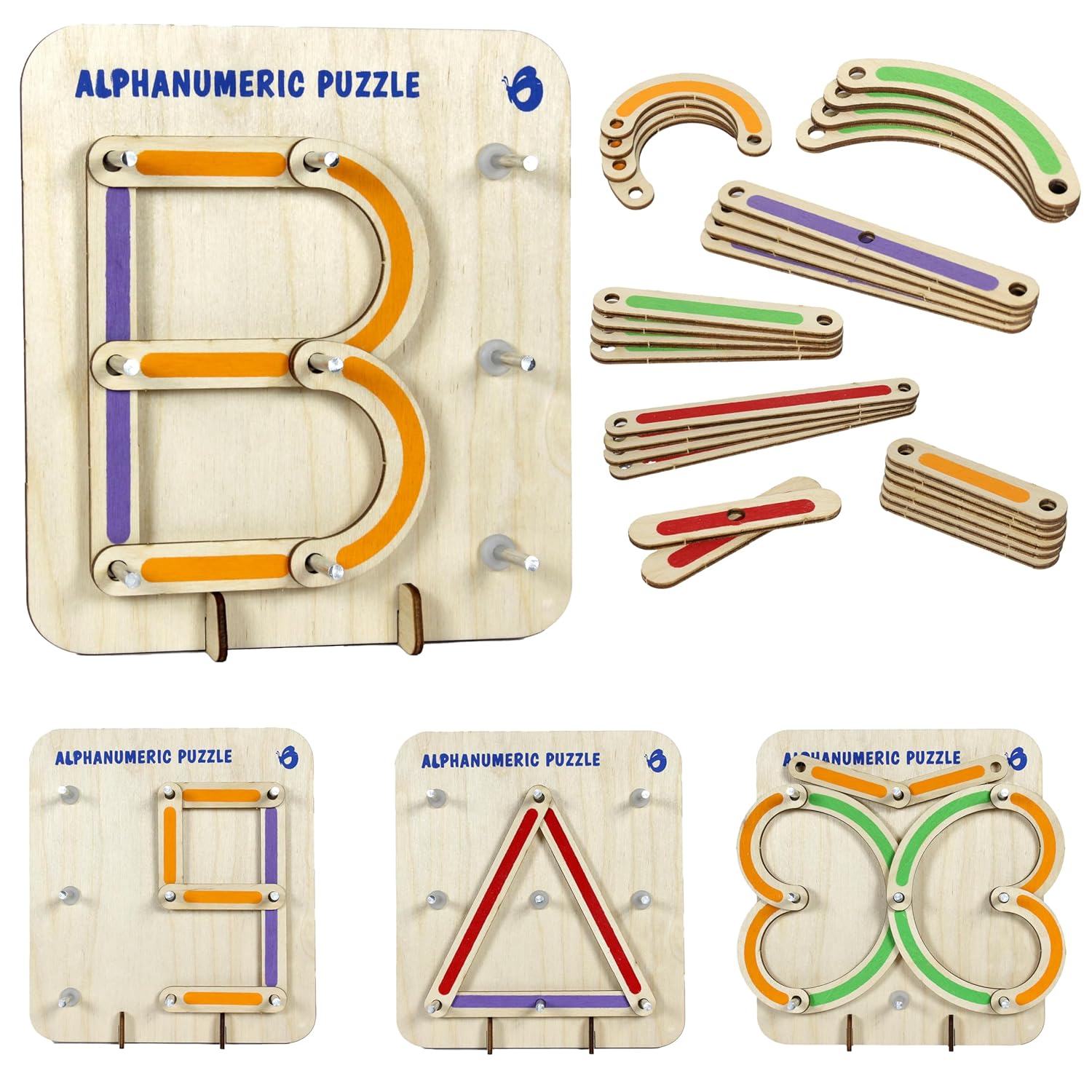
A. Enhancing Fine Motor Skills Through Puzzle Manipulation
Wooden alphabet puzzles are fantastic tools for tiny fingers. Kids grab, twist, and place puzzle pieces, developing crucial dexterity they’ll need for writing later. The natural texture of wood provides just the right resistance for little hands learning to control their movements.
B. Building Letter Recognition and Alphabet Sequencing
These puzzles turn abstract letter symbols into tangible objects children can touch and explore. As kids match each wooden letter to its corresponding space, they’re not just playing—they’re creating powerful mental connections between letter shapes, names, and sequences that form the foundation for reading.
Cognitive Development Through Letter Play
A. Connecting Visual Symbols to Sounds and Words
Ever watched a child’s face light up when they match a wooden ‘B’ to its puzzle spot? That’s phonemic awareness in action! Kids aren’t just handling cute wooden pieces—they’re connecting shapes to sounds, building the foundation for reading.
B. Building Vocabulary Through Puzzle Interaction
Wooden letter puzzles turn learning into play. When children manipulate these tactile letters, they naturally associate them with words like “A for apple” or “D for dog,” expanding their vocabulary without feeling like they’re studying.
Language Development and Literacy Foundations
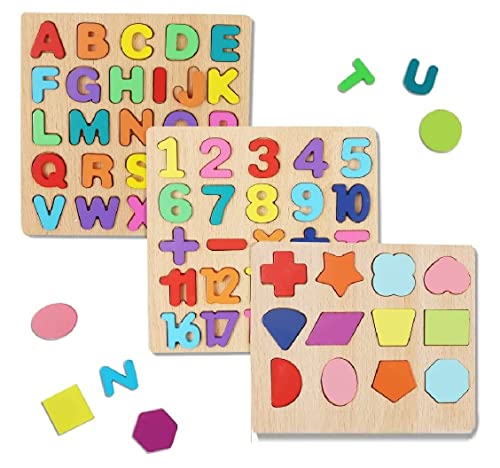
- It helps with cerebral development and promotes hand-eye coordination, fine motor skills, and problem-solving skills.
- Material: Wood + non-toxic paint. Safe and no harm to babies.
- A great learning tool for preschoolers. Let your children learn and master life skills in a happy environment and exerci…


- EDUCATIONAL VALUE: Complete set of wooden alphabet puzzles designed to teach letters, numbers, and shapes to children ag…
- LEARNING COMPONENTS: Features alphabets A to Z, numbers, and basic geometric shapes for comprehensive early learning dev…
- MONTESSORI APPROACH: Follows Montessori methodology for hands-on learning, helping children develop fine motor skills an…

- Alphanumeric Graphics Cognitive: This engaging set includes 20 number puzzles, 5 calculation symbols, 26 English alphabe…
- Associative & Logical Thinking: This wooden toy set is designed to enhance fine motor skills, hand-eye coordination, ass…
- A fantastic learning tool for preschoolers, this set helps children develop essential life skills in a fun and engaging …
Fostering Phonemic Awareness
Wooden alphabet puzzles help kids recognize letter sounds before they can read. When a child picks up a “B” piece and says “buh,” they’re making crucial sound-letter connections. These hands-on puzzles create lasting mental links between letters and sounds.
Supporting Early Reading Readiness
Kids who play with alphabet puzzles show stronger pre-reading skills. They learn letter recognition naturally through touch and play. Watch a toddler match puzzle pieces – they’re actually building reading foundations while having fun. This tactile learning sticks better than flashcards ever could.
Social and Emotional Benefits of Puzzle Play
Cultivating Patience and Persistence
When a child works on wooden alphabet puzzles, they’re learning that good things take time. Watch their little faces scrunch in concentration as they try fitting that tricky “Q” piece again and again. This quiet determination builds patience that serves them far beyond puzzle time.
Celebrating Achievement and Building Self-Esteem
That victorious “I did it!” moment when the final puzzle piece slides into place? Pure magic. These small wins fuel children’s confidence and teach them that challenges can be overcome with effort. Their growing self-belief becomes the foundation for tackling future learning adventures.
Choosing the Right Wooden Alphabet Puzzles
A. Age-Appropriate Features to Look For
When shopping for wooden alphabet puzzles, match the puzzle to your child’s developmental stage. For toddlers, look for chunky pieces with knobs for easy grasping. Preschoolers benefit from puzzles with both uppercase and lowercase letters to build recognition skills.
B. Quality and Safety Considerations
The best wooden puzzles use smooth, splinter-free materials with non-toxic paints. Check for rounded edges and sturdy construction that can withstand enthusiastic play. Quality puzzles might cost more upfront but will last through multiple children and years of learning adventures.
Wooden alphabet puzzles offer a powerful foundation for children’s early development across multiple domains. From cognitive growth and problem-solving skills to language acquisition and emotional regulation, these simple toys provide complex learning opportunities. As children grasp letters, match shapes, and create words, they’re simultaneously building neural connections that will serve them throughout their educational journey.
As parents and educators, selecting high-quality wooden alphabet puzzles that match your child’s developmental stage is a worthwhile investment in their future. Whether during independent play or shared learning moments, these tactile learning tools create joyful experiences while laying essential groundwork for reading, writing, and communication skills. By incorporating wooden alphabet puzzles into your child’s play environment, you’re not just providing entertainment—you’re opening doors to literacy and lifelong learning.
[…] what makes these liquid skin treatments so different from each other? It all comes down to three things that nobody’s telling […]