

Ever struggled to nail those tricky English sounds no matter how many pronunciation videos you’ve watched? You’re not alone. 78% of language learners report that traditional phonetics exercises feel like a chore they’d rather skip.
But what if improving your pronunciation could be as enjoyable as singing your favorite song?
The connection between music and English phonetics isn’t just convenient—it’s scientifically backed. When you engage with lyrics, your brain processes language differently, making those challenging vowel sounds and consonant blends stick in ways textbooks never could.
I’ve helped hundreds of frustrated learners transform their pronunciation using simple musical techniques that work even if you think you’re tone-deaf.
But here’s what most teachers won’t tell you about using music for phonetics mastery…
Understanding the Connection Between Music and Phonetics
Why Music Enhances Pronunciation Learning
Music wires our brains differently when learning sounds. The catchy tunes you can’t get out of your head? That’s your brain creating strong neural connections with phonetic patterns. Songs naturally emphasize rhythm and stress patterns that mirror how native speakers talk.
How Rhythm and Melody Mirror Speech Patterns
Ever noticed how babies respond to lullabies before understanding words? That’s because our brains process music and language in overlapping ways. When you sing along to English songs, you’re training your mouth to form sounds correctly without the pressure of conversation.
Essential English Phonetic Elements to Focus On
Essential English Phonetic Elements to Focus On
A. Vowel Sounds and How Songs Help Master Them
Ever noticed how singers stretch certain vowels? That’s your golden ticket to mastering those tricky English vowel sounds. Pop songs deliberately emphasize vowels, making them perfect for practicing the difference between “ship” and “sheep” or “cup” and “cop.”
B. Consonant Pronunciation Challenges
Consonants trip up even advanced learners. Think about the “th” sound that doesn’t exist in many languages. Rap music is surprisingly helpful here – artists articulate consonants with precision to maintain rhythm and clarity, giving you real-time pronunciation models to follow.
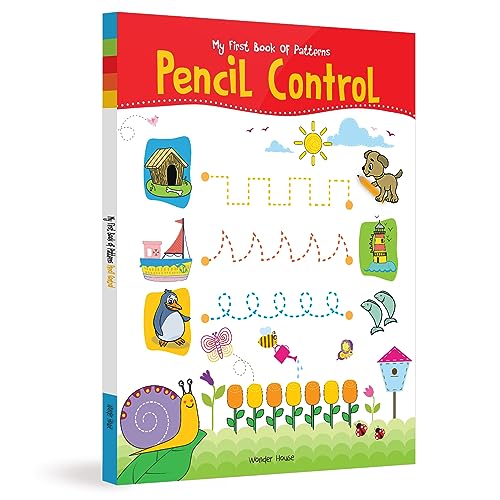
- My First Book of Patterns Pencil Control

Selecting the Right Musical Resources
Selecting the Right Musical Resources
A. Genres That Best Highlight Clear Pronunciation
Pop, folk, and jazz are pronunciation goldmines. These genres typically feature clear vocals without heavy distortion. Think Ed Sheeran or Norah Jones – their enunciation is crystal clear, making them perfect for catching those tricky phonetic patterns.
B. Finding Songs with Lyrics That Target Specific Sounds
Hunt for songs that repeat your problem sounds. Struggling with “th”? Taylor Swift’s “Think” works wonders. Need help with vowel sounds? Country music often stretches vowels in a way that helps you hear the subtle differences between similar sounds.
Practical Exercises for Phonetic Improvement
Practical Exercises for Phonetic Improvement
A. Sing-Along Techniques That Maximize Learning
Ever tried singing along to your favorite English songs? That’s not just fun—it’s phonetic training in disguise. Pick songs with clear pronunciation and follow the lyrics while singing. Focus on mimicking the exact sounds, not just the words.
The magic happens when you slow things down. Use apps that can reduce playback speed without changing pitch. Hit pause after phrases and repeat them aloud. This forces your mouth to form new shapes, training those pronunciation muscles you didn’t know existed.
Tracking Your Progress and Overcoming Plateaus
Setting Realistic Phonetic Improvement Goals
Track your progress by focusing on one sound at a time. Can’t nail that tricky “th” sound? Pick songs that repeat it often, like “Think” by Aretha Franklin. Your ears will thank you when you finally hear yourself matching the singer’s pronunciation perfectly!
Tools for Measuring Pronunciation Development
Record yourself singing alongside your favorite artists before and after practice sessions. The difference will shock you! Apps like Fluent.ai and ELSA Speak can analyze your accent while you sing, giving you instant feedback on how closely you match native sounds.
Mastering English phonetics through music blends enjoyment with effective learning. By focusing on key phonetic elements like vowel sounds, consonant blends, and intonation patterns while selecting appropriate musical resources, you can significantly enhance your pronunciation skills. The practical exercises outlined, from sing-along practice to rhythm-based drills, provide structured methods to improve your phonetic abilities, while tracking progress helps maintain motivation throughout your learning journey.
Start incorporating music into your language learning routine today. Choose songs that challenge you just enough without overwhelming your current abilities, and dedicate consistent practice time each week. Remember that phonetic mastery is a gradual process—celebrate small improvements along the way. With persistence and the natural enjoyment that comes from musical learning, you’ll develop more accurate pronunciation and greater confidence in your English speaking skills.

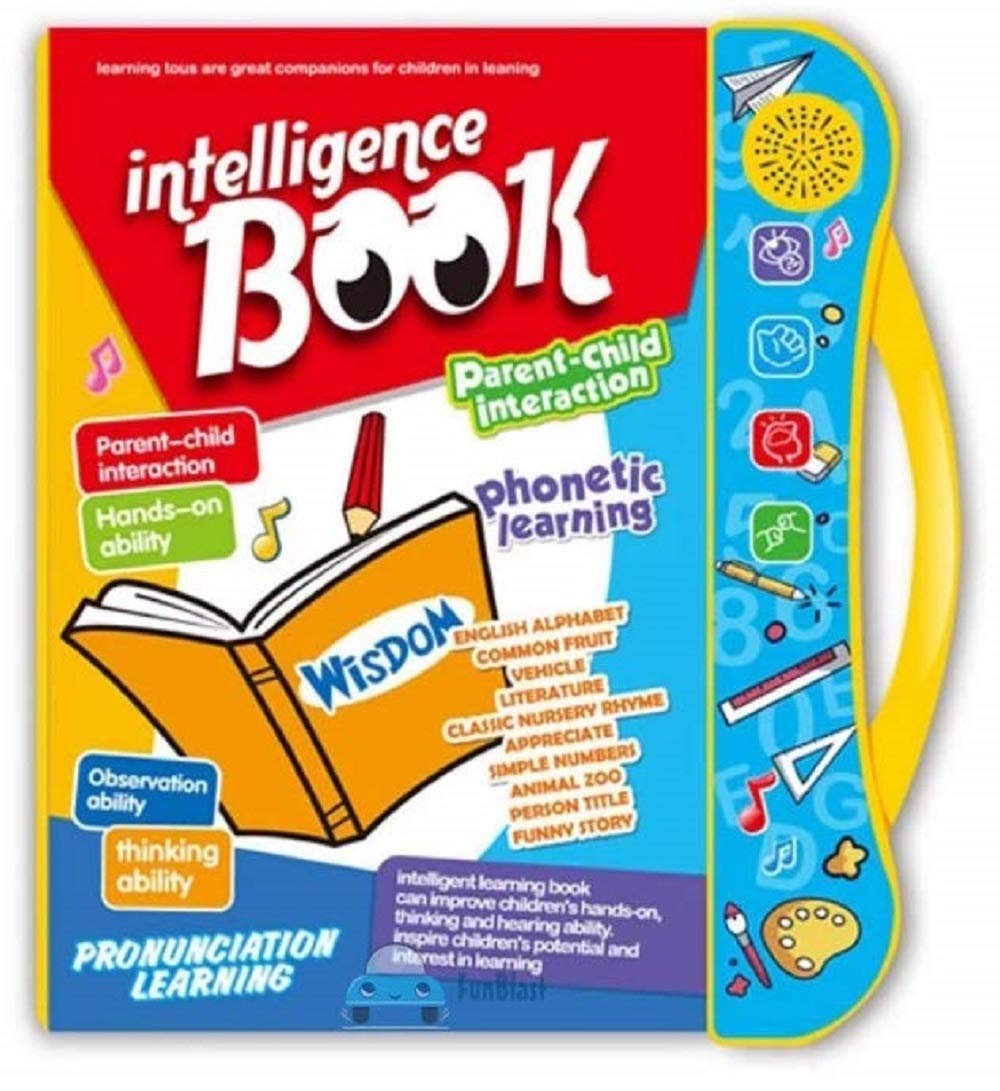
- COLORFUL AUDIO INTERACTIVE LEARNING BOOK: FunBlast Phonetic Learning book has multiple modes to help children learn alph…
- LEARNING BOOK FOR PRESCHOOL TO INTRODUCE ALPHABETS AND NUMBERS: Touching the words on the pages plays the words, sound e…
- HELPS LEARN ABOUT NUMBERS, ALPHABET, ANIMALS, VEHICLES, SHAPES, RELATIONSHIP, MUSICAL INSTRRUMENTS AND COLORS: This is a…
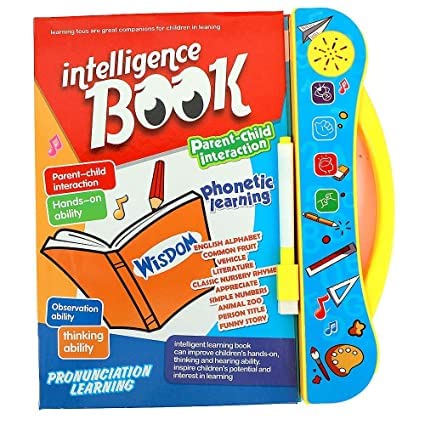
- 🎼Enhancing Vocabulary: The book is filled with colorful and interactive illustrations, making it easy for children to le…
- 🎼Intellectual Learning: This book is a fun Learning E-book, each page has a button to start so that children can hear an…
- 🎼Developing Cognitive Abilities: The book has been designed to stimulate children’s brains and help them develop their c…

- COLORFUL AUDIO INTERACTIVE LEARNING BOOK: Toyshine Learning book has multiple modes to help children learn alphabets and…
- LEARNING BOOK FOR PRESCHOOL TO INTRODUCE ALPHABETS AND NUMBERS: Touching the words on the pages plays the words, sound e…
- HELPS LEARN ABOUT NUMBERS, ALPHABET, ANIMALS, VEHICLES, SHAPES, RELATIONSHIP, MUSICAL INSTRRUMENTS AND COLORS: This is a…
[…] first recognized the letter “A”? Wooden alphabet puzzles make those magical learning milestones happen every day in homes across America—and not just with letter […]