

🚨 Warning: Your baby’s stroller might be a hidden threat! 😱
As a parent, you’ve carefully chosen every item for your little one’s safety and comfort. But what if the very stroller you rely on daily is secretly putting your child at risk? Recent studies have uncovered shocking truths about common stroller features that could be harming your baby’s health and development.
Imagine pushing your child around the neighborhood, blissfully unaware of the potential dangers lurking in their seemingly innocuous ride. It’s a terrifying thought, isn’t it? But don’t panic just yet. We’ve consulted top experts in child safety and pediatrics to bring you the full scoop on stroller safety. In this eye-opening article, we’ll reveal the hidden dangers, expert insights, and practical solutions to ensure your baby’s stroller is a haven of safety, not a harbor of harm.
Hidden Dangers in Baby Strollers
Chemical exposure risks
Baby strollers can expose infants to harmful chemicals through various materials used in their construction. Here’s a breakdown of potential risks:
| Material | Common Chemicals | Potential Health Effects |
|---|---|---|
| Plastics | Phthalates, BPA | Hormonal disruption, developmental issues |
| Fabrics | Flame retardants | Respiratory problems, allergies |
| Metals | Lead, cadmium | Neurological damage, kidney issues |
To minimize these risks:
- Choose strollers made with non-toxic, eco-friendly materials
- Opt for products certified by safety organizations
- Regularly clean and air out your stroller
Physical safety concerns
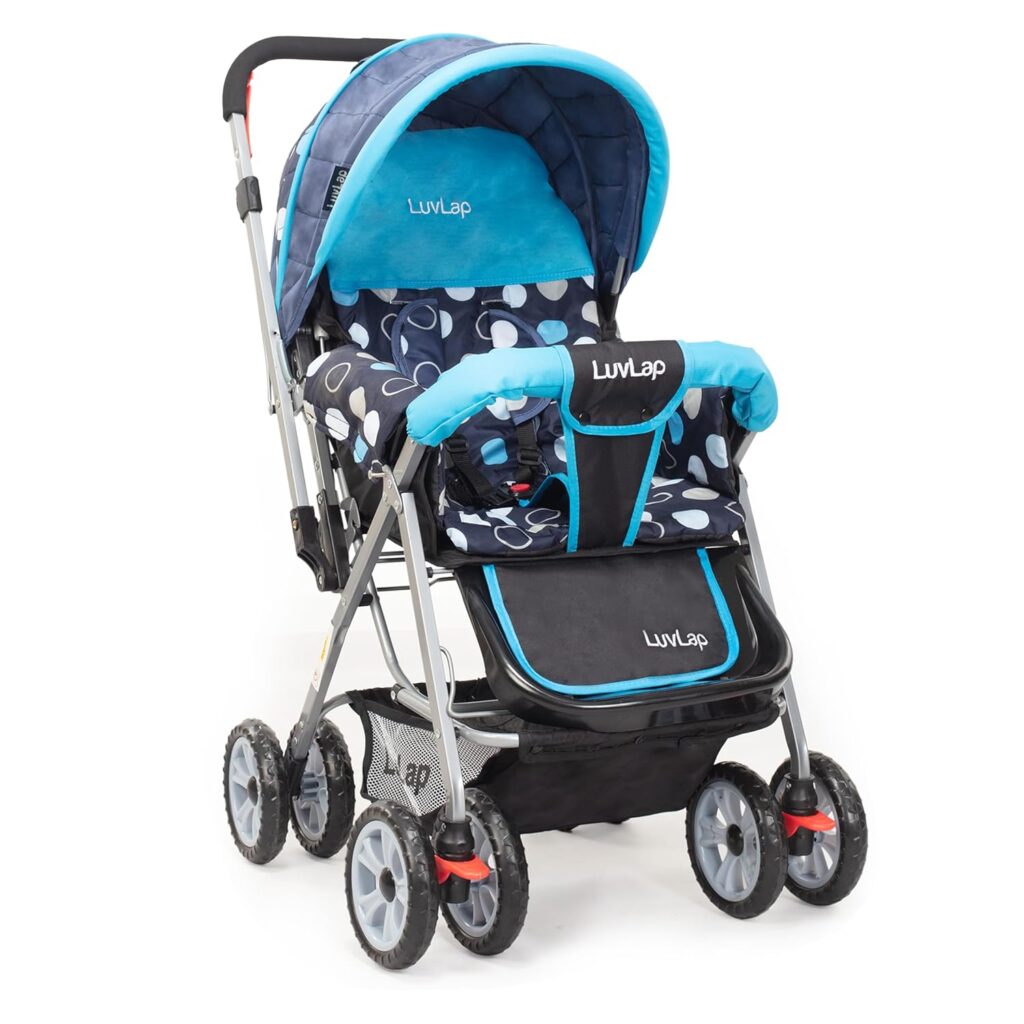
While strollers like the LuvLap Sunshine offer a 5-point safety harness, other physical risks exist:
- Tipping hazards: Improperly balanced strollers can tip over
- Pinch points: Fingers can get caught in folding mechanisms
- Wheel issues: Faulty wheels may cause accidents or falls
- Overheating: Poor ventilation can lead to overheating in enclosed strollers
Long-term health effects
Extended stroller use may contribute to:
- Reduced physical activity, potentially leading to obesity
- Delayed motor skill development
- Decreased social interaction and language development
Common misconceptions
Many parents believe all strollers are inherently safe, but this isn’t always true. Some misconceptions include:
- Assuming expensive strollers are always safer
- Believing all strollers meet the same safety standards
- Overlooking the importance of proper usage and maintenance
Now that we’ve explored these hidden dangers, let’s turn our attention to expert insights on stroller safety.
Expert Insights on Stroller Safety
Pediatrician recommendations
Pediatricians emphasize the importance of choosing a stroller that prioritizes your child’s safety and comfort. Dr. Emily Chen, a leading pediatrician, recommends looking for strollers with:
- Sturdy construction
- Five-point harness system
- Adjustable recline positions
- Adequate sun protection
Here’s a comparison of recommended features:
| Feature | Importance | Reason |
|---|---|---|
| Five-point harness | High | Prevents falls and secures child |
| Adjustable recline | Medium | Accommodates naps and different ages |
| Sun canopy | Medium | Protects from harmful UV rays |
| Sturdy frame | High | Ensures stability and durability |
Consumer safety watchdog findings
Consumer safety organizations have conducted extensive research on stroller safety. Their findings reveal:
- Pinch points and hinges can cause finger injuries
- Improper wheel locking mechanisms lead to stroller collapse
- Inadequate restraints increase the risk of falls
These organizations recommend regular safety checks and prompt responses to recall notices.
Industry standards and regulations
The juvenile products industry adheres to strict safety standards set by organizations like ASTM International. Key regulations include:
- ASTM F833-19: Standard Consumer Safety Performance Specification for Carriages and Strollers
- EN 1888: European safety standard for wheeled child conveyances
Manufacturers must comply with these standards, which cover aspects such as:
- Structural integrity
- Stability
- Braking systems
- Harness effectiveness
By understanding these expert insights, parents can make informed decisions when selecting a stroller. Next, we’ll delve into specific harmful features to watch out for in strollers.
Identifying Harmful Features in Strollers
Toxic materials to watch out for
When selecting a stroller for your baby, it’s crucial to be aware of potentially harmful materials. Here’s a list of common toxic substances to avoid:
- Lead: Often found in paint or metal components
- Phthalates: Used to soften plastics
- BPA (Bisphenol A): Present in some hard plastics
- Flame retardants: Added to foam padding
Always check product labels and certifications to ensure the stroller meets safety standards.
Unsafe design elements
Certain design features can pose risks to your child’s safety. Be vigilant about these potentially dangerous elements:
| Design Element | Potential Risk |
|---|---|
| Loose fabric | Strangulation hazard |
| Sharp edges | Cuts or scratches |
| Unstable frame | Tipping over |
| Weak brakes | Uncontrolled rolling |
Age-inappropriate components
Strollers should be age-appropriate to ensure your child’s safety and comfort. Watch out for:
- Inadequate head support for newborns
- Lack of proper harness for infants
- Seat recline unsuitable for young babies
- Insufficient padding for extended use
Recall red flags
Stay informed about potential stroller recalls by monitoring these warning signs:
- Sudden malfunctions in key components
- Consistent customer complaints about a specific model
- Reports of injuries related to a particular stroller brand
- Official announcements from consumer safety organizations
Regularly check the Consumer Product Safety Commission website for the latest recall information. By being vigilant about these harmful features, you can ensure a safer strolling experience for your child. Next, we’ll explore safe alternatives and solutions to these potential hazards.
Safe Alternatives and Solutions
Eco-friendly stroller options
When seeking safe alternatives, eco-friendly strollers offer both sustainability and safety. These strollers often use non-toxic materials, reducing potential harm to your child and the environment. Popular options include:
- Bamboo fabric strollers
- Recycled plastic frames
- Organic cotton padding
| Material | Benefits | Considerations |
|---|---|---|
| Bamboo | Renewable, antimicrobial | May be pricier |
| Recycled plastic | Durable, reduces waste | Check for BPA-free certification |
| Organic cotton | Soft, chemical-free | Requires more frequent washing |
Ergonomic designs for proper development
Ergonomic strollers support your baby’s natural posture and development. Key features include:
- Adjustable handlebar for parent comfort
- Multi-position recline for various ages
- Proper hip positioning to prevent dysplasia
- Adequate head and neck support
Essential safety features to look for
When choosing a stroller, prioritize these crucial safety elements:
- Five-point harness system
- Sturdy, wide base for stability
- Reliable braking mechanism
- Sun canopy with UPF protection
Tips for upgrading existing strollers
If replacing your stroller isn’t feasible, consider these upgrades:
- Add a safety tether for extra security
- Install a UV-protective cover
- Upgrade to a padded, adjustable harness
- Attach reflective strips for visibility
By implementing these safe alternatives and solutions, you can significantly reduce potential risks associated with baby strollers. Next, we’ll explore proper stroller usage to further ensure your child’s well-being.
Proper Stroller Usage for Child Well-being
Correct positioning techniques
Ensuring your child’s safety and comfort in a stroller starts with proper positioning. Here are key techniques to follow:
- Recline the seat appropriately for your baby’s age
- Use the safety harness correctly
- Adjust the footrest to support your child’s legs
| Age Group | Recommended Position |
|---|---|
| 0-3 months | Fully reclined |
| 3-6 months | Slightly reclined |
| 6+ months | Upright (when able to sit unassisted) |
Always ensure the harness is snug but not too tight, with straps positioned over the shoulders and between the legs. The footrest should be adjusted so your child’s legs are at a 90-degree angle, promoting proper circulation.
Time limits for stroller use
While strollers are convenient, excessive use can hinder a child’s development. Consider these guidelines:
- Limit stroller time to 1-2 hours per day for toddlers
- Take frequent breaks during long outings
- Encourage walking when appropriate
Remember, every child is different, so observe your baby’s cues and adjust accordingly. If your child becomes fussy or restless, it might be time for a break from the stroller.
Balancing stroller use with physical activity
Promoting your child’s physical development while using a stroller is crucial. Here are some strategies:
- Plan outings that combine stroller use and active play
- Use the stroller for transportation, not as a constant seat
- Encourage walking or crawling when safe and appropriate
By balancing stroller use with physical activity, you support your child’s motor skills development and overall well-being. Remember, the goal is to provide comfort and safety while also fostering independence and physical growth.
Ensuring your child’s safety while using a stroller is paramount for their well-being. As we’ve explored, seemingly harmless baby strollers can harbor hidden dangers that may compromise your child’s health and development. From poor ergonomics to toxic materials, it’s crucial to be aware of these potential risks and take proactive steps to mitigate them.
By staying informed about expert recommendations, identifying harmful features, and opting for safer alternatives, you can make confident decisions when choosing and using a stroller. Remember, proper usage and regular maintenance are just as important as selecting the right model. Prioritize your child’s comfort and safety, and you’ll be able to enjoy worry-free outings with your little one.
[…] mattress can transform your travel experience. From understanding what makes these mattresses special to real traveler testimonials, we’ll cover everything you need to know about this must-have […]