

Picture this: your baby’s crying non-stop, their diaper area is angry red, and you’re standing in front of 12 different diaper rash creams wondering which one won’t make things worse. Been there? Yeah, me too.
Every parent faces the diaper rash dilemma eventually. It’s practically a rite of passage.
Choosing the right diaper rash cream isn’t just about grabbing whatever has the cutest packaging. Some ingredients heal, some actually irritate, and what worked for your friend’s baby might be useless for yours.
By the end of this guide, you’ll know exactly which cream to reach for at 3 AM when your little one can’t get comfortable. But first, let’s talk about the surprising ingredient many popular creams contain that might be making your baby’s rash worse.
Understanding Diaper Rash: Causes and Prevention
A. Common causes of diaper rash in babies
Your baby’s delicate skin can develop diaper rash when it’s exposed to wetness too long, chafes against the diaper, or reacts to certain products. Friction, moisture, and irritants in poop and pee are the usual culprits behind those angry red bumps that make your little one fussy during diaper changes.
B. Signs and symptoms to watch for
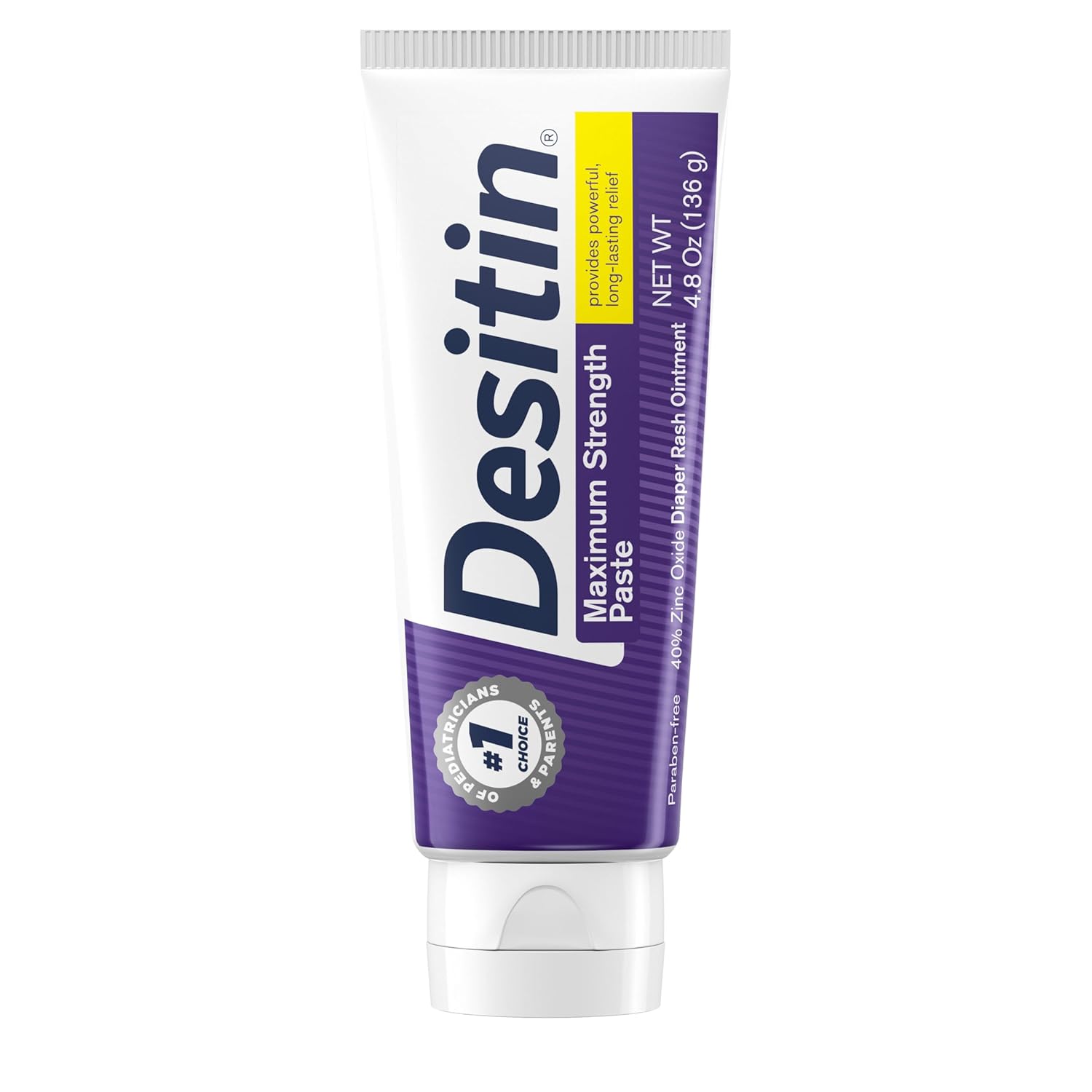
Look for red, irritated skin in the diaper area, along with small bumps, peeling, or even bleeding in severe cases. Your baby might seem more uncomfortable, especially during diaper changes or when you clean the area. Early detection helps prevent diaper rash from worsening into something requiring zinc oxide treatments like Desitin.
Key Ingredients in Effective Diaper Rash Creams
A. Zinc oxide: The protective barrier
Ever noticed how zinc oxide creates that white paste on baby’s skin? That’s your MVP for diaper rash, forming a barrier that shields irritated skin from moisture and irritants. Most pediatrician-recommended diaper rash creams contain at least 10% zinc oxide for a reason—it works!
B. Petroleum jelly: Moisture retention benefits
Petroleum jelly isn’t just your grandma’s beauty secret. It locks moisture in while keeping wetness out. Think of it as a raincoat for your baby’s bottom! Many top diaper rash treatments combine petroleum jelly with other ingredients for maximum protection.


Types of Diaper Rash Creams
Types of Diaper Rash Creams
A. Barrier creams for prevention
Barrier creams create a protective layer between baby’s skin and moisture. Most contain zinc oxide or petroleum jelly, which repels wetness rather than absorbing it. Think of these as your first line of defense – apply them during every diaper change when your baby’s skin looks healthy to keep it that way.
B. Medicated creams for treatment
When redness appears, it’s time to bring in medicated creams. These typically contain ingredients like hydrocortisone (for inflammation) or antifungal elements to tackle yeast infections. They work faster than barrier creams for existing rashes but aren’t meant for everyday prevention.
Selecting the Right Cream for Your Baby’s Needs
Selecting the Right Cream for Your Baby’s Needs
Assessing the severity of your baby’s rash
Look at your baby’s bottom – is it slightly pink or angry red? For mild rashes, a zinc oxide diaper cream works wonders. Severe cases might need something stronger like a pediatrician-recommended product containing both zinc oxide and petroleum jelly.
Considering skin sensitivity and allergies
Babies with sensitive skin need gentler formulations. Skip creams with fragrances, preservatives, or harsh chemicals. Natural diaper rash remedies like coconut oil or creams with calendula can be great alternatives for babies prone to allergic reactions.

- Helps treat and prevent diaper rash.
- Protects chafed skin due to diaper rash and helps seal out wetness.
- Store at room temperature, 20-27 degrees C (68-80 degrees F).
Application Techniques for Maximum Effectiveness
A. Proper cleaning before application
Ever noticed how diaper cream seems to work better on a clean bottom? That’s no accident. Always clean your baby’s skin with gentle wipes or warm water before applying diaper rash cream. Pat dry completely—moisture trapped under cream can actually make rash worse.
B. Ideal application thickness
Think frosting a cupcake, not icing a cake. Apply zinc oxide diaper cream in a thick enough layer to create a visible barrier, but not so thick it becomes wasteful. Your fingertip works perfectly for spreading the cream evenly across the affected area.
Real Parent Reviews and Recommendations
A. Top-rated products for different situations
Parents swear by Aquaphor for everyday protection, while Desitin’s zinc oxide formula tackles serious flare-ups. “It cleared my baby’s rash overnight!” says mom Emily about Boudreaux’s Butt Paste. For sensitive skin, Earth Mama’s organic option gets consistent five-star reviews.
B. Budget-friendly options that work
Vaseline and A+D Ointment remain affordable favorites that actually deliver results. “I’ve tried expensive creams, but honestly, plain petroleum jelly works just as well,” reports dad Michael. Store brands from Target and Walmart often match ingredients with premium options at half the price.
Navigating the world of diaper rash creams doesn’t have to be overwhelming. By understanding the causes of diaper rash, recognizing key ingredients like zinc oxide and petroleum jelly, and knowing the differences between barrier creams, medicated options, and organic alternatives, you can make informed choices for your baby’s delicate skin. Remember that application technique is just as important as the product itself – ensuring clean, dry skin before applying a generous layer will maximize effectiveness.
Your baby’s comfort is paramount, and finding the right diaper rash solution may require some trial and error. Don’t hesitate to consult with your pediatrician if rashes persist or worsen despite treatment. With the right cream and proper care, you can help keep your little one’s bottom happy, healthy, and rash-free.


[…] the right shea butter soap can feel like navigating a minefield, especially when every product claims to be “moisturizing” and […]